Sentimentality and Nostalgia
On the difference between a poem that aches honestly and one that merely wants to be loved.
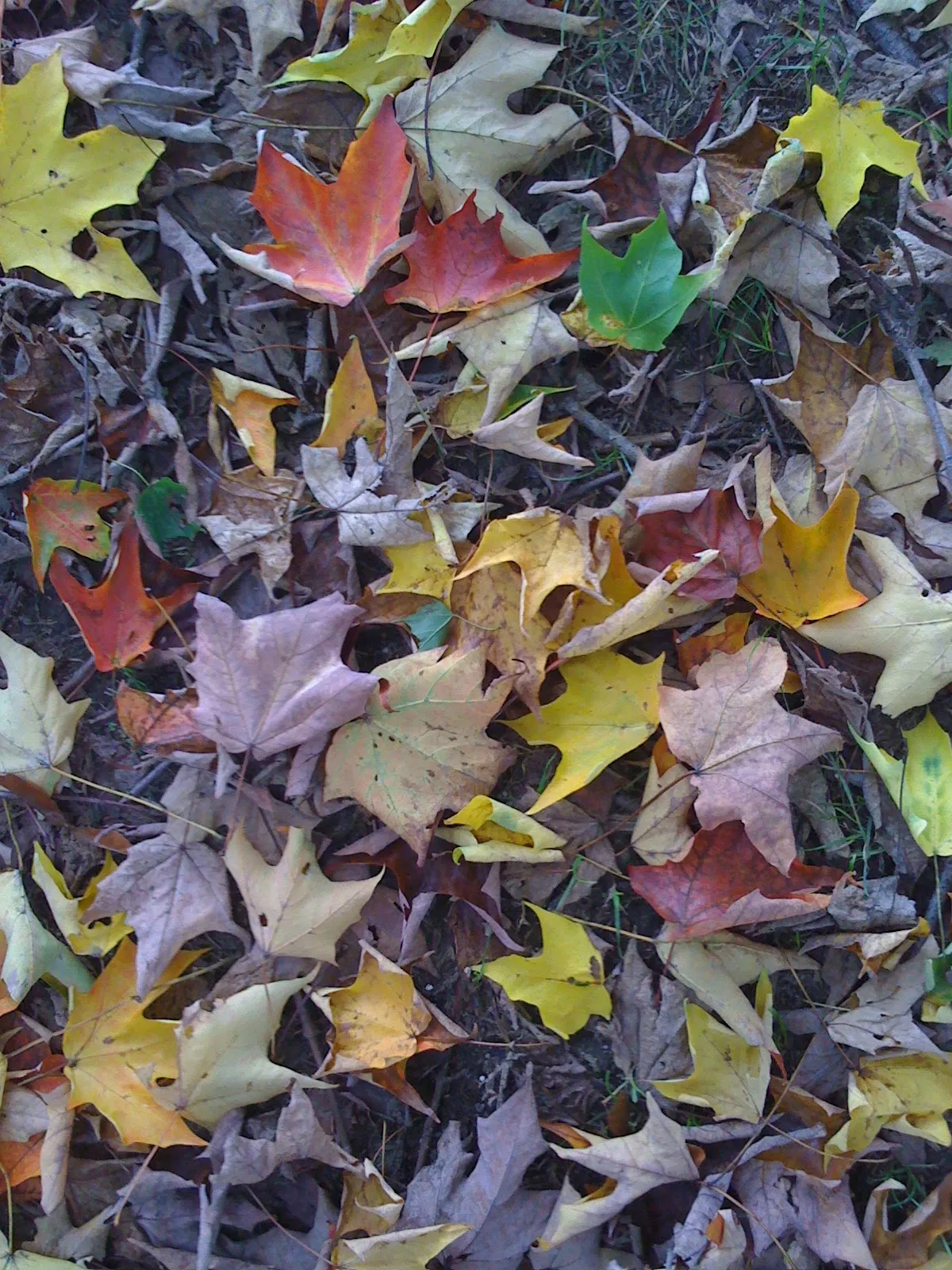
Nostalgia, Not Cheapness
Thoughts gathered under this theme, drawn from posts tagged "sentimentality."
There's a kind of poem that grows more appealing with age: one infused with a quiet, melancholy nostalgia — just a trace of longing for something half-remembered. That isn't the same as cheap sentimentality. Nostalgia, done honestly, holds grief and tenderness at once; sentimentality reaches for feeling without earning it.
This blog returns to that distinction often, alongside writers who tested the line between true feeling and performed sentiment — Oscar Wilde, James Joyce, and W. B. Yeats among them. Their work is cited here as a measure for where nostalgia tips into something less honest, and where it stays true.
There is a particular kind of poem that ripens like fruit left too long on the branch, growing sweeter and more complex with each passing season. The ache in such a verse is honest, earned through careful attention to the small, ordinary moments that make up a life lived slowly — the steam rising from a cup of tea, the weight of a sleeping cat on one's lap, the particular slant of afternoon light across a well-worn armchair. This is nostalgia worn lightly, not draped heavily. It holds grief in one hand and tenderness in the other, refusing to choose between them. The best poems of this sort don't demand that you feel something; they simply make room for what is already there, waiting to be acknowledged.
Sentimentality, by contrast, is a shortcut — a reaching for feeling without the patience to earn it. It flatters the reader with easy emotion, asking nothing in return but a quick, reflexive nod. But there is a difference between a poem that wants to be loved and one that loves the world enough to look at it honestly. The aging reader develops a keen ear for that distinction, having spent decades sorting the genuine from the performed. A true poem about memory does not beg for your tears; it simply tells the truth about time, about what was lost and what remains, and trusts that the quiet recognition of that truth will be enough. That is the kind of poetry worth steeping over, like a fine tea that rewards patience with depth.
Voices on the Subject
Oscar Wilde
Invoked for his sharp eye on sentiment performed rather than felt.
James Joyce
Cited alongside questions of memory, longing, and what counts as true feeling in prose.
W. B. Yeats
Referenced as a touchstone for nostalgia rendered with discipline rather than indulgence.
Related Reading
This theme runs through posts on poetry and book reviews elsewhere on the site, where strangeness, memory, and quiet ache are recurring threads.
- Return to the main page for recent posts.
- Browse the Poetry category for related work.
- Read more About the blog's focus on nostalgia and mortality.