Book Reviews
Notes on classics and historical fiction, written between pots of tea and the usual household interruptions.
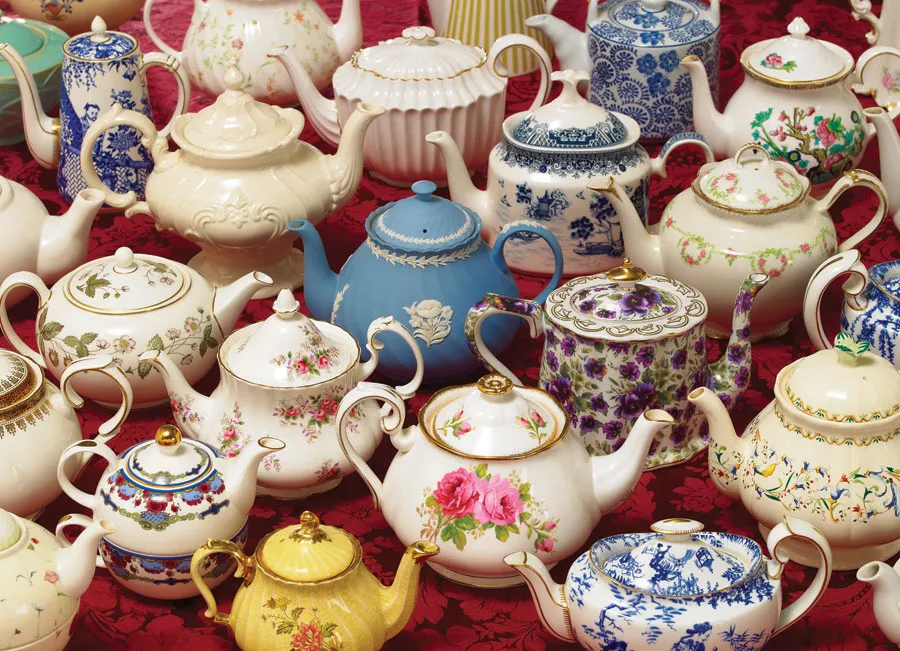
What gets reviewed here
This category gathers thoughts on books that have held my attention long enough to write about — mostly classics and historical fiction, with the occasional detour into poetry collections. The focus leans toward novels with weight: social manners, long memories, and characters who take their time.
Authors who show up include Sarah Waters, Elizabeth Taylor, and Anthony Hecht, alongside the Victorian-era names that recur across the blog — Trollope, Dickens, and George Eliot. The tone is personal rather than academic: impressions, favorite passages, and the occasional argument with an ending.
There is a particular comfort in returning to the novels one first encountered in youth, only to find they have aged alongside the reader. The classics and historical fiction that populate these shelves do not sit still; they shift and reveal new textures with each re-reading, like tea leaves settling at the bottom of a well-worn mug. Characters who once seemed merely proper or restrained now disclose their quiet rebellions, their sorrows tucked beneath social manners. The Victorian novelists understood something about patience, about lives lived at a slower pace, and their sentences ask for the same unhurried attention that a good pot of tea demands on a rainy afternoon.
Between the interruptions of daily life—the cats demanding attention, the kettle calling from the kitchen—there is always a book waiting on the side table, bookmark creeping forward by degrees. Historical fiction offers a particular pleasure in this context, for it does not require the breakneck pace of contemporary thrillers. Instead, these novels build their worlds gradually, inviting the reader to inhabit another era the way one settles into an armchair. The best of them treat the past not as a costume party but as a place where people once worried, loved, and made mistakes much as we do now, only with better grammar and stricter social codes.
Poetry collections slip into the gaps between longer reads, offering a different kind of sustenance entirely. A single haiku or sonnet can hold the weight of an entire afternoon's reflection, much like a short visit from a friend who knows when to leave. The poets who recur across these pages tend toward the formal, the measured, the carefully constructed line that rewards slow reading aloud. There is something fitting about reading poetry while the tea steeps, the cats nap, and the jigsaw puzzle waits on the dining table—all small, deliberate pleasures that resist the modern demand for speed and efficiency.
Recurring threads
A few things that keep surfacing in these reviews.
Historical fiction
Novels set in earlier centuries, read with an eye for how period detail shapes character and plot.
Victorian favorites
Trollope, Dickens, and George Eliot appear often, reflecting a long-standing fondness for the era's fiction.
Modern classics
Sarah Waters and Elizabeth Taylor represent more recent writers discussed alongside older standards.